Showing posts with label Grandpa. Show all posts

Wednesday, March 3, 2010

外公的前半生涯

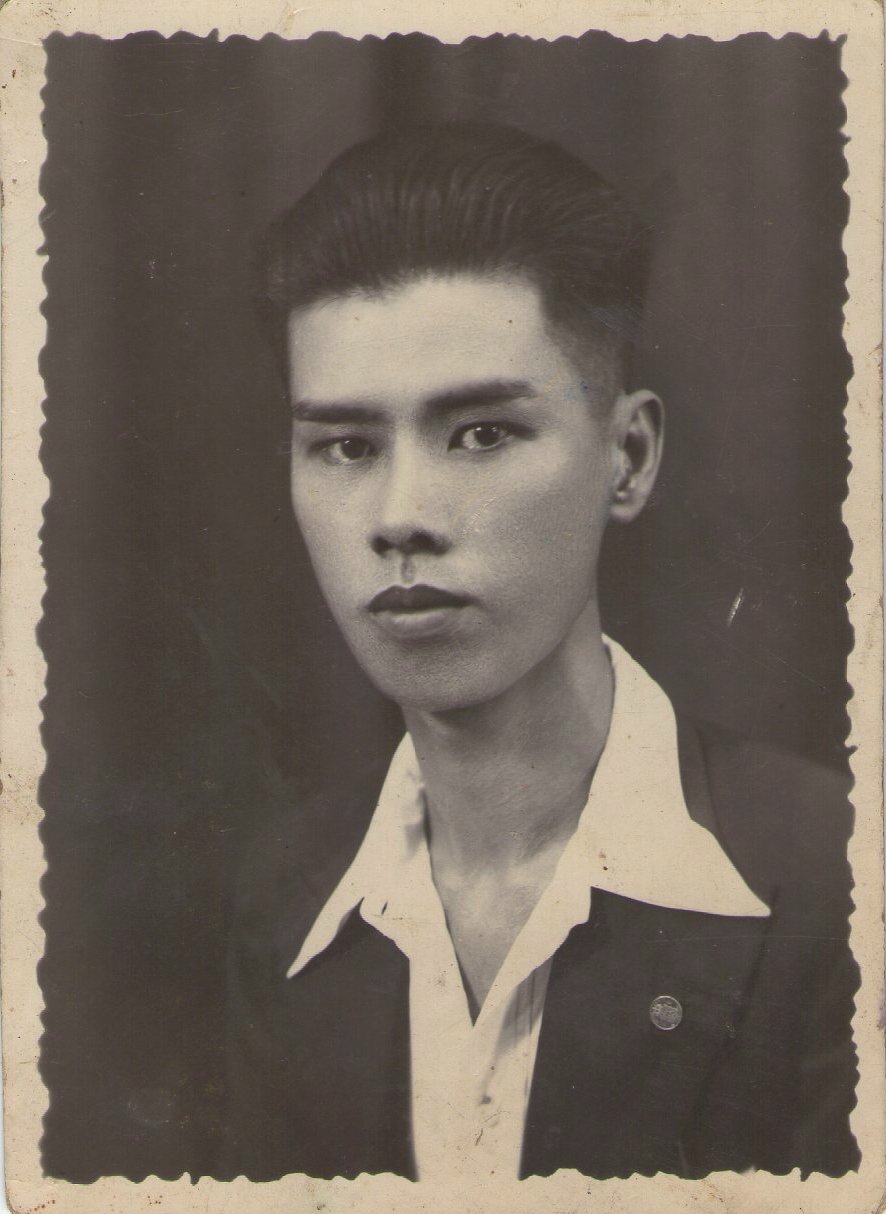
照片:外公年轻时  

我们的外公,也是我们常称的公公,李炳城。他生于阳历一九一三年十二月十七日,农历十一月二日,肖牛。出生于马来西亚彭亨州的首府,也是西马东海岸最大的城市,关丹。 

公公出世于一个家境富裕的家庭,家中拥有多英亩的橡胶园。虽然公公是家中老幼,但唯有公公能安享晚年。公公的哥哥姐姐们都难逃命运的悲剧,大多都因猩红热和种种传染病而英年早逝。剩余的马来西亚亲戚及朋友如今也不知去向。

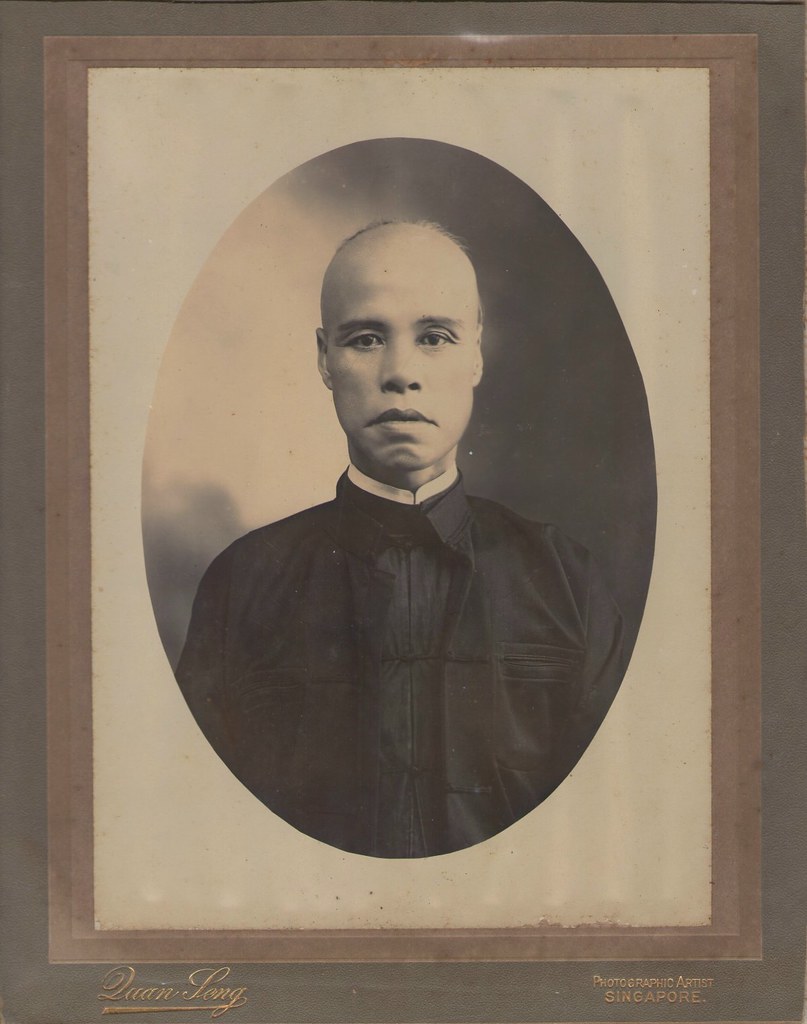
照片:我们的曾祖父

我们的曾祖父不幸在公公三岁时去世,
家产与生意全交由公公的舅舅继承保管。但是曾舅舅不是个理财的生意人,不久便清家荡产,把曾祖父的家产挥霍一空。

曾祖母与公公因此移居新加坡,在加笼路,火城附近
印度庙对面买了一家店铺。他们住楼下店铺,把楼上的房间以一人五块钱的租金出租给人。公公也在那里开始经营脚车维修店,组织小家庭。

1976年地图 (1是火城;橙色地区大概是店铺位置):


Credit : Singapore Street Directory 1976 edition, Chief Surveyor

火城与印度庙在照片中间:
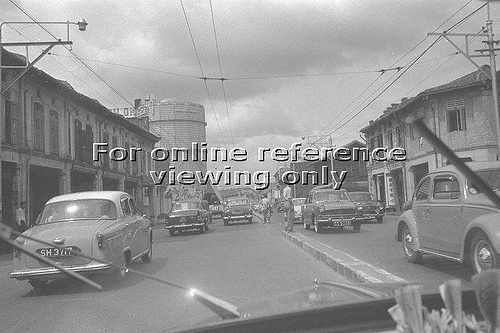
Photo Credit : National Archives, PICAS
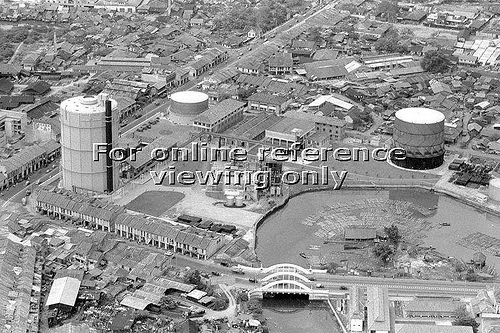
 Photo Credit : National Archives, PICAS

 火城:
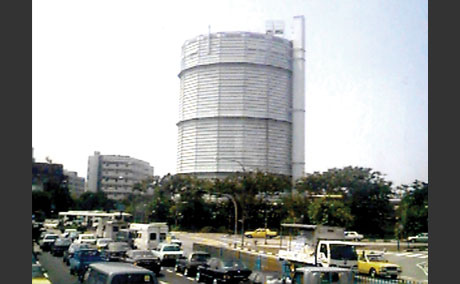

2007:


在日军侵占时期,公公被日军逮捕,被推上卡车载到樟宜处死。到达目的地时,他们被命令自挖坟地,等待枪决。眼看难逃一死,公公趁日军不留神时,与两位同伴遇贵人相助跳围墙逃生。

 
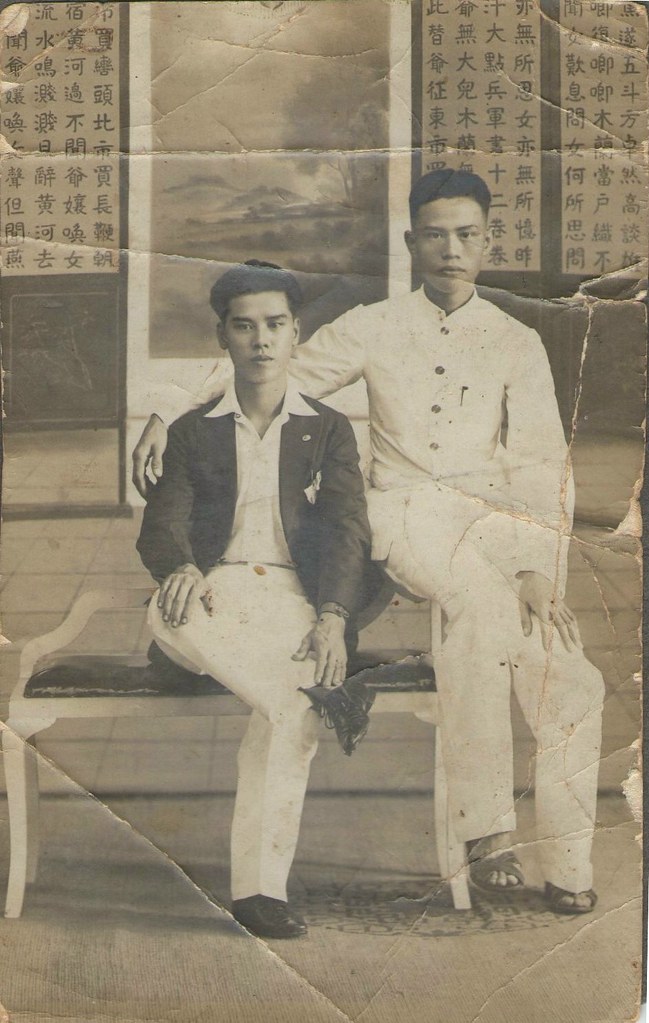
照片:外公与朋友

侥幸逃生后,回到店铺时,才发现所有脚车已被人抢劫一空。
幸好一家大小平安无事。他们也继续待在那里过了几年。后来公公决定全家移居回马来西亚,以三千元把店铺顶让给别人。但不知何故改变了主意,又在加笼路租了另一间房子定居新加坡。

家庭成员越来越多,负担也越来越重,
公公一人身兼至少两份工作来维持家计。他当过三轮车夫,卖过报纸及婆婆做的纸玫瑰,甚至也在兵营做过工。 为了填补家用,婆婆边做纸花边照顾孩子,大姨在家帮人车衣,二姨与三姨也得放弃学业出外工作,好让其余弟妹们能有口饭吃,继续学业。生活虽平穷艰苦,但大家都相亲相爱,过得非常充实。组造了现今一个和睦相处,相亲相爱的大家庭。一家人在加笼路住至1957年,直到小姨出世后才搬迁于纽顿路。

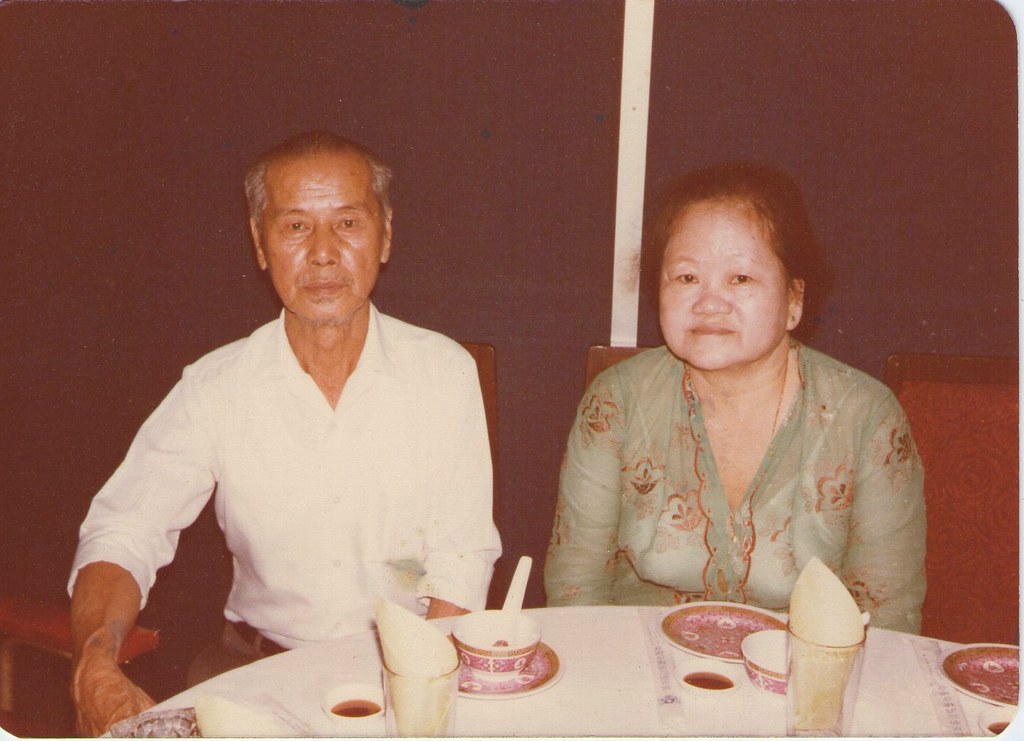
 照片:外公与外婆

话说到此,特别感谢大姨,三姨,小姨与婉明为我们提供了这些公公的人生经历。公公前半生的故事虽短,但希望能激发大家积极参与,多问你们的父母,多揭开公公在这段日子的故事,让我们能多了解我们的公公婆婆,舅舅与阿姨们。
另加 :曾祖母的骨灰瓮现安置于万礼骨灰塔。每年清明节,大姨及婉明拜祭祖先时,也会去拜祭曾祖母。

Our Grandpa - The Early and Middle Years -


Lee Peng Siah, our grandpa, or Gong Gong (公公) as he is affectionately known to all of us, was born on 17th December 1913 in Kuantan, within Pahang, the largest state of  Malaysia. He was born in the year of the Ox. Youngest in a rich family with acres of rubber plantations, he had a few siblings but most of them unfortunately died of scarlet fever and other infectious diseases during their childhood or teenage years. It is strongly believed that Gong Gong is the only one that lived up to a ripe old age. The whereabouts of most of his other relatives are unknown in Malaysia.  

Great-Grandfather (Gong Gong's father)

Our great grandfather (Gong Gong’s father) died when he was 3 years old. Great Grand Uncle (Gong Gong’s maternal uncle) took over the family business. Unfortunately, he was not a good businessman, lost the business and spent all the money.  

Great Grandma (Lau Ma) (Gong Gong's mother) & Gong Gong migrated to Singapore where they bought a shop house on Kallang Road, near the old 火城  and current Pico Art Building, opposite the Hindu temple. They rented out the rooms upstairs, charging $5 per person and lived in the shop on the ground floor. That is also where Gong Gong eventually ran his bicycle repair shop. 

Old 火城 is marked 1 in the map and the orange spot is approximately where the shop was:


Credit : Singapore Street Directory 1976 edition, Chief Surveyor

This is probably what the street looked like then with the Hindu Temple and the 火城 at the middle bottom:


Photo Credit : National Archives, PICAS
 
Photo Credit : National Archives, PICAS


What the 火城 looked like:

 
Photo Credit: Blog - Times of My Life

What the plot of land looked like around 2007:

 
Photo credit : Wikipedia

During the Japanese Occupation, Gong Gong was caught and placed on a lorry to be executed in Changi. They were ordered to dig trenches which would end up being their own graves. With a stroke of luck while the Japanese soldiers were distracted, Gong Gong and two other men jumped over a nearby fence with the help of someone and escaped in the face of death. It was a close shave.  


Gong Gong with friend

He returned to find the bicycle shop looted but thankfully, the family was safe. They continued to stay there as the family expanded. After a couple of years, Gong Gong made a decision to migrate back to Malaysia.  He sold the shop house for about $3000 but suddenly changed his mind for an unknown reason.  Hence, they rented another place on Kallang Road. 
After he sold the bicycle shop, he had to take on at least 2 jobs in order to provide food and lodging for the family. During that time, he worked as a trishaw man, newspaper and paper roses seller and even worked in the army. Life was getting tougher and tougher with an increasing family. 

There was barely enough to eat most of the time. To help out with the family finances, Po Po  (Grandma) started making paper flowers while looking after the kids, Dua yi (Eldest aunt) sewed clothes at home and Z yi (Second aunt) went out to work. Eventually, Sa yi (Third auntie and my mum) had to give up her studies at the age of 14 to work, so that the rest of the family could survive and continue their studies. Though life was tough and food was scarce, their life was happy, and this poor lifestyle helped cultivate the loving and giving attributes that we see in this family.

They continued to live in Kallang until Aunt Constance was born and in 1957, they moved to Newton where their youngest child, our Uncle David was born. 

Gong Gong and Po Po (婆婆)

This is currently all we have about Gong Gong's life-story and it only constitutes the first half of his life. I hope that you had enjoyed this story and it has inspired me to seek more because I realise how important it is that we try to get as much of our family history and share. Let this be the beginning of a beautiful connection for us all, and let us bond through this medium and get to know each other, and ourselves better.

I would like to specially thank Dua Yi, Aunt Constance, Woan Min and my Mum for sharing these facts and stories with us today. There is much more to learn and discover and it is up to you to find out and share it with us.

P.S. Lau Ma, Great-Grandma's urn is placed in Mandai Columbarium.  Every year, Dua Yi (Eldest Aunt), who was Lau Ma's favourite grand-daughter, and Woan Min would visit the columbarium as Lau Ma's urn was placed near to their other relative's final resting place.